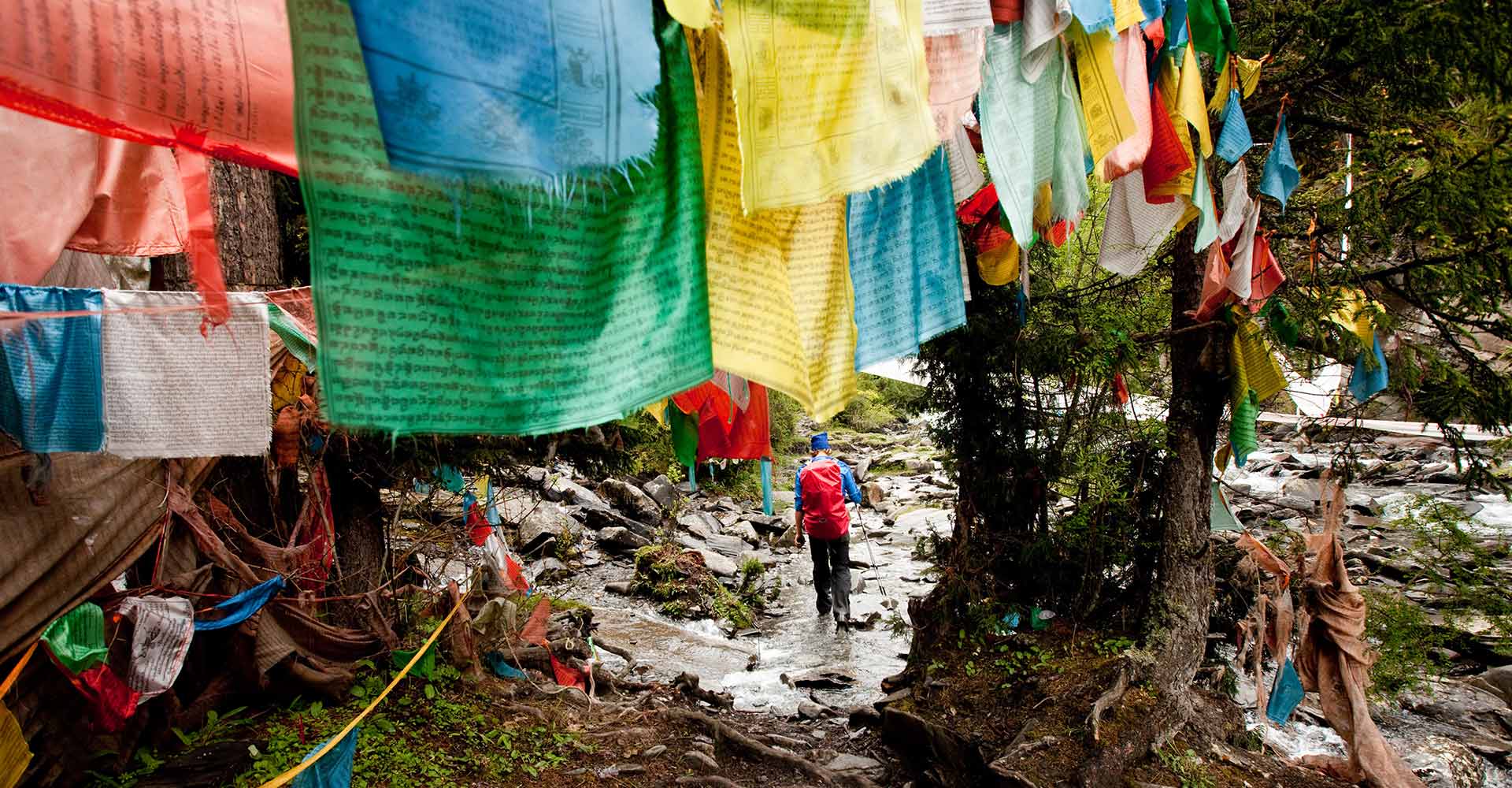
Tibet Without a Permit: Traveling The Eastern Tibetan Plateau in 2026
Here's something most travelers never learn: the majority of the Tibetan Plateau lies outside the Tibet Autonomous Region.
The short answer
Here's something most travelers never learn: the majority of the Tibetan Plateau lies outside the Tibet Autonomous Region — and you can travel there without a Tibet Travel Permit, without a mandated tour group, and without the paperwork that makes a Lhasa trip feel like a bureaucratic expedition of its own.
We've been living and guiding in Eastern Tibetan regions for more than twenty years. We've shared butter tea in nomad tents on the Tangke grasslands, ridden mountain bikes along old shepherd's trails above Songpan, wandered through the depths of Labrang Monastery, and hopped between towns in Yunnan with no permit in anyone's pocket. This guide explains exactly how the rules work in 2026, where to go, and how to do it well.
The Permit Rules, Explained Simply
Where you DO need a Tibet Travel Permit: the Tibet Autonomous Region (TAR) — Lhasa, Everest Base Camp (north side), Mount Kailash, Shigatse. Every foreign traveler entering the TAR must hold a Tibet Travel Permit, arranged through a licensed tour operator, and must travel with a guide on an organized itinerary. You cannot board a flight or train to Lhasa without one. See China's National Immigration Administration.
Where you DON'T: the Tibetan cultural regions of Amdo and Kham, which lie in Qinghai, Gansu, Sichuan, and Yunnan provinces. These areas are administered as ordinary Chinese provinces. A standard Chinese visa — or a qualifying visa-free entry — is all you need. No Tibet Travel Permit. No mandatory group tour. No fixed itinerary.
One honest caveat, because we'd rather you hear it from us: specific areas within Amdo and Kham are occasionally restricted to foreign travelers at short notice, and a handful of locations have their own local accessibility quirks. Many of these places are part of a local Tibetan Autonomous Prefecture such as Aba Prefecture in Sichuan, and Gannan Prefecture in Gansu. Rules here are stable most of the year but not guaranteed. This is exactly why traveling with an operator who is on the ground matters — we know what's open this month, not what was open when a guidebook went to print. Read our original explainer.
What this means in practice
| Lhasa / TAR | Amdo & Kham + Pumi (Eastern Tibetan Plateau) | |
|---|---|---|
| Tibet Travel Permit | Required | Not required |
| Mandatory guide & fixed itinerary | Required | Not required |
| Standard Chinese visa | Required | Required (or qualifying visa-free entry) |
| Lead time | Weeks (permit processing) | Book when you like |
| Tibetan culture, monasteries, nomads, 4,000 m+ (13,100 ft+) landscapes | Yes | Yes — with fewer crowds |
The Visa-Free Angle: 10 Days on the Plateau
Since China expanded its visa-free transit policy, citizens of 55 countries — including the US, UK, Canada, Australia, and most of Europe — can enter China without a visa for up to 240 hours (10 days) when transiting to a third country through eligible ports. Chengdu, the gateway city to the Amdo and Kham regions of Sichuan, is an eligible entry port. Kunming is the portal for Yunnan.
Ten days is real time out here. Fly into Chengdu or Kunming and access Sichuan and Yunnan from these convenient gateways.
Two rules to respect: you need a booked onward ticket to a third country (not back where you came from), and you must stay within the permitted regions for your entry port. Policies evolve — check the current official list before booking. We confirm the latest rules with every traveler who books with us.
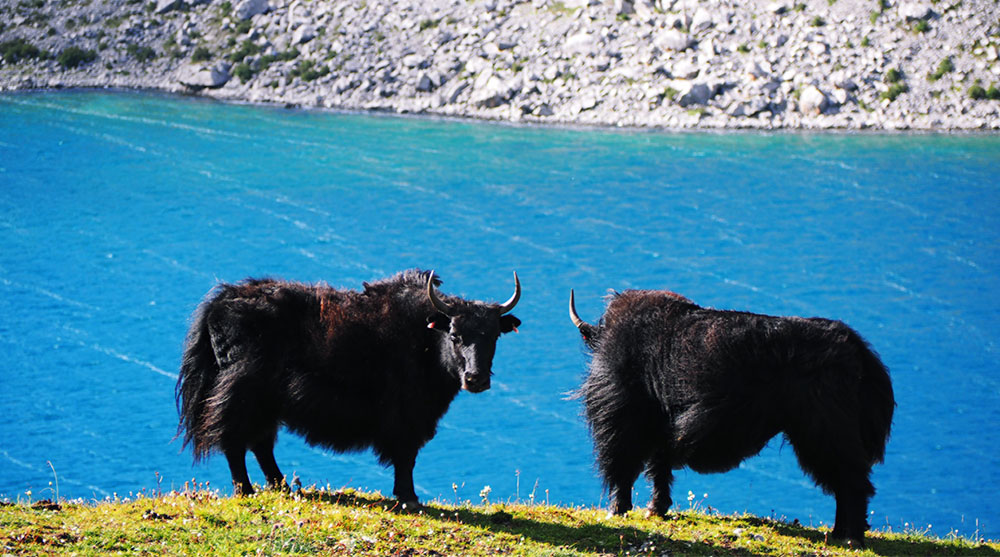
Our Eastern Tibetan Shortlist
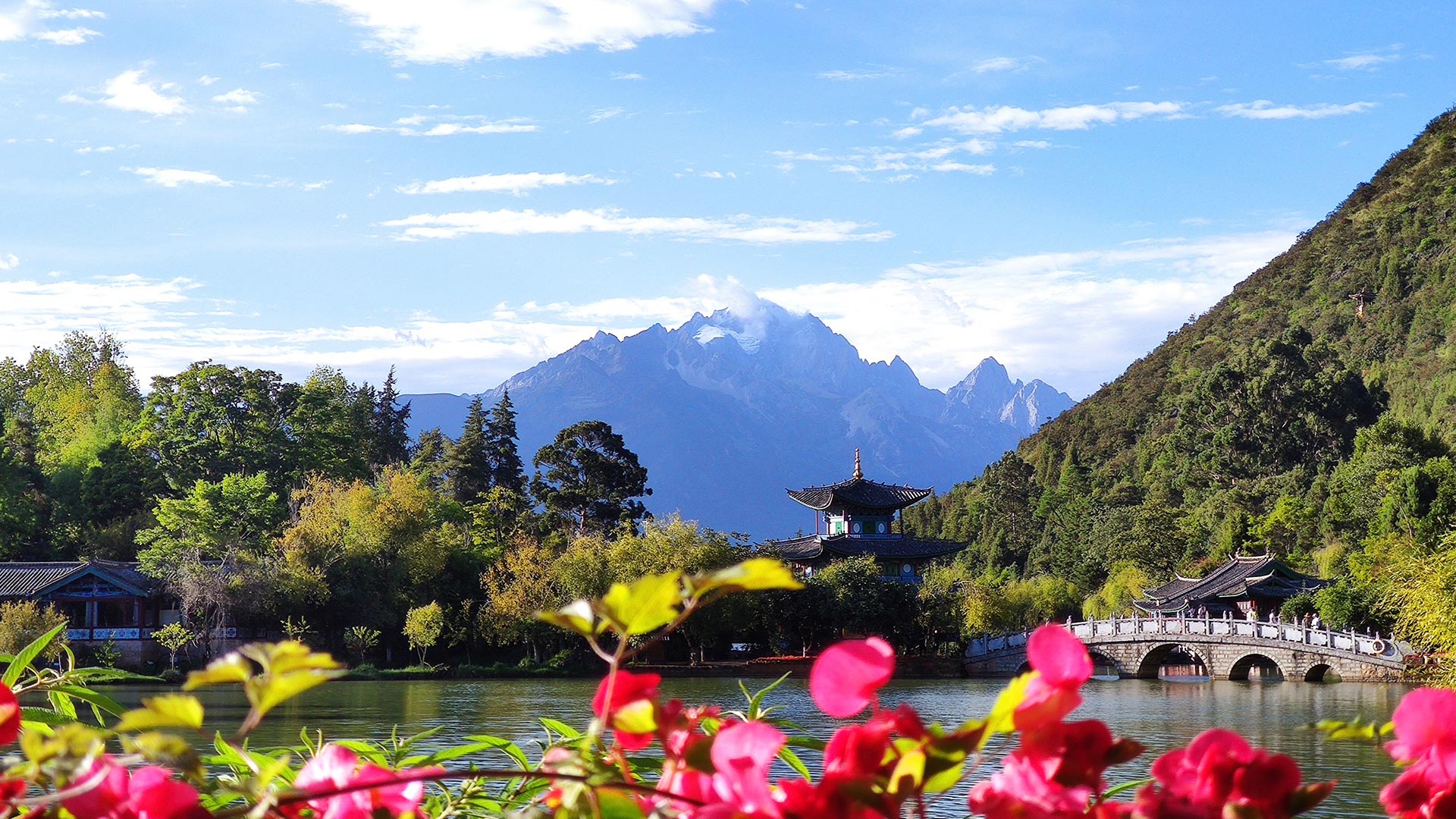
The Ancient Tea Horse Road (Yunnan)
This is where Kham blends with other Tibetan Buddhist cultures such as the Pumi. Famous towns such as Lijiang, Shaxi, Shangri La, and Dali fill itineraries for the region. It is one of the region's most culturally diverse places.
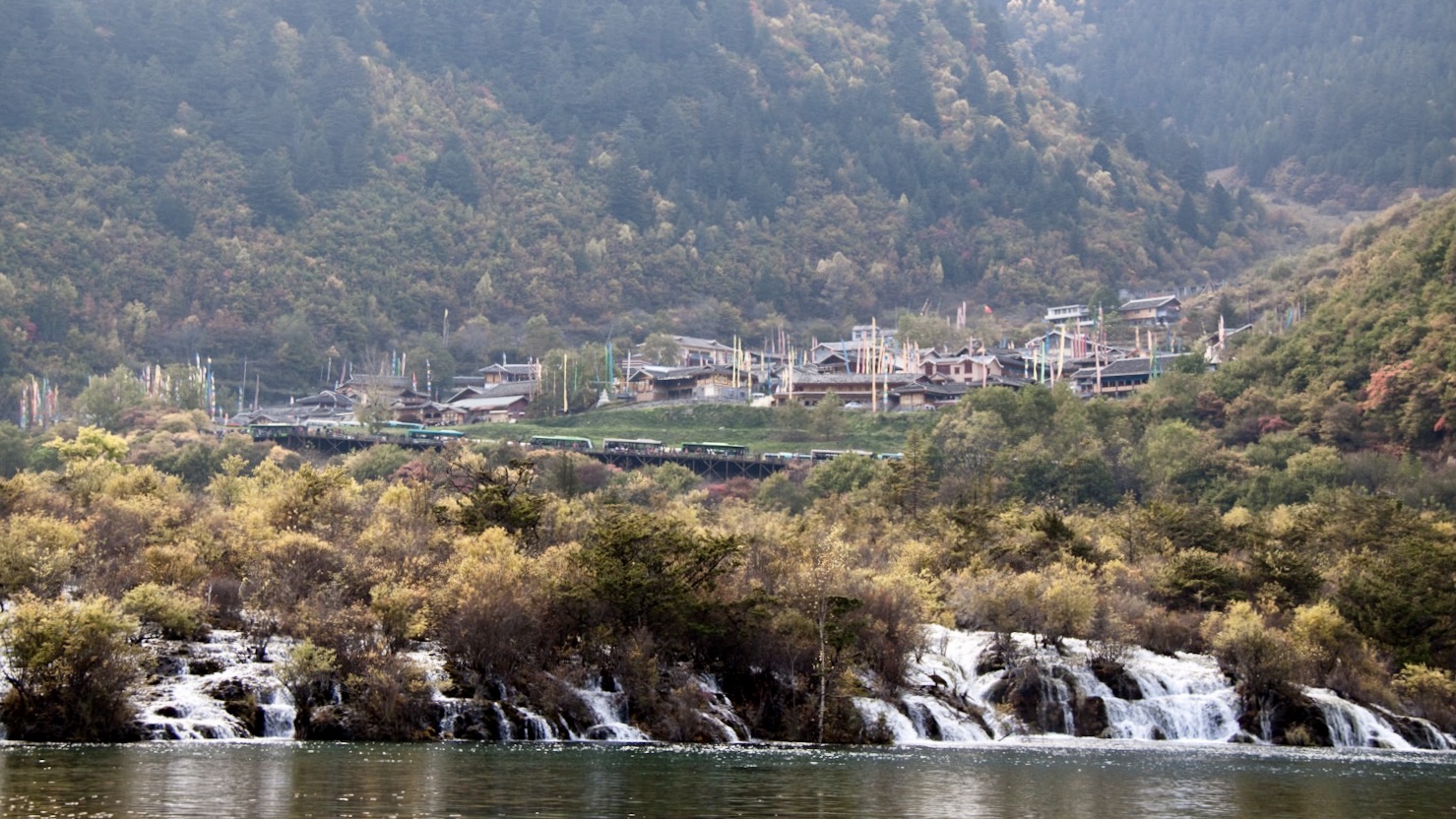
The Minshan Mountains (Sichuan)
Songpan and Jiuzhaigou: National Parks and hidden gems. Most guide books get this area wrong. Contact us for a self-guided planner for an overland route between Xining/Lanzhou to Chengdu.
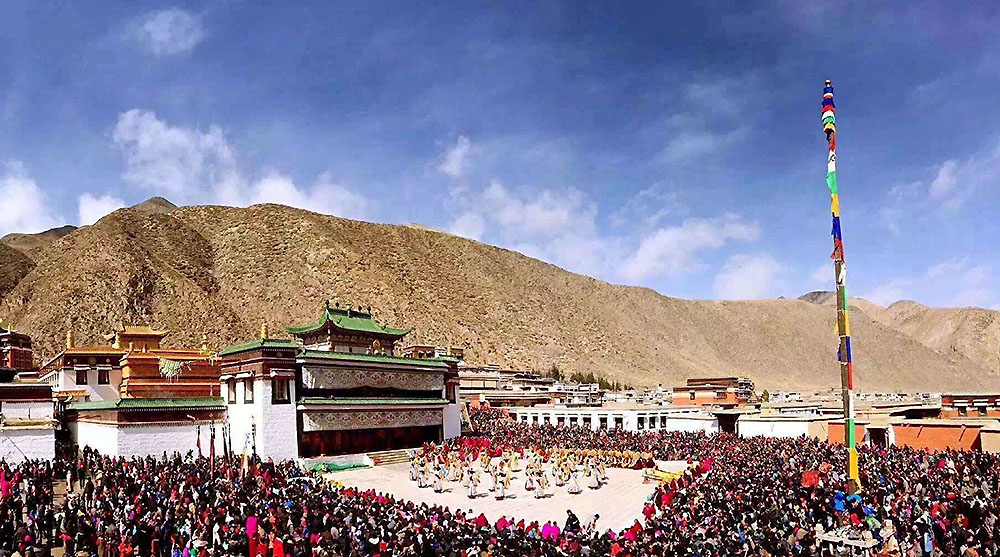
Grasslands and Great Monasteries: Labrang & Langmusi (Gansu/Sichuan)
Labrang Monastery in Xiahe is one of the six great monasteries of Tibetan Buddhism. Langmusi straddles the Gansu–Sichuan border with monasteries on both sides and gorge hikes out the back door. The Zoige Grasslands fill the expanse between this border region and places like Songpan and Jiuzhaigou.
When to Go
- May–June: Early season for the plateau. This is when things come to life and time outdoors begins for everyone, locals and visitors alike.
- July–August: peak season and festival season on the grasslands; warm days, afternoon showers, everything vividly green.
- September–October: crisp air, golden larch and birch, the clearest mountain views of the year. Best for photography.
- November–April: cold and quiet. Monastery towns like Xiahe are atmospheric (Losar, Tibetan New Year, usually falls February–March), but high routes become less comfortable.
Most of the plateau sits between 2,800 m and 4,000 m (9,200 to 13,100 ft). Wherever you go, build in acclimatization days — ascend gradually, drink water, and take the first two days easy.
Independent vs. Guided: An Honest Take
You can travel the Eastern Tibetan Plateau independently — that's part of what makes it special. Buses run, guesthouses exist, and nobody will ask for a permit at a checkpoint on the main routes.
What a local operator adds is depth and certainty: knowing which areas are open this month, which trails are in good condition, which festivals are actually happening, and — most of all — the relationships. The nomad family, the monastery contact, the village homestay: those doors open because of twenty years of showing up, not because of a booking platform.
FAQ
Do I need a Tibet Travel Permit for Sichuan, Gansu, Qinghai or Yunnan?
Is Eastern Tibet "really" Tibet?
Can I use China’s visa-free transit to visit?
How high is the region, and is altitude a problem?
Can areas close without notice?
Last reviewed: 1 August 2026
Plan Your Trip
The Tibetan Plateau without the paperwork: it's not a loophole, it's just geography most travelers never learn. If you're ready to see the Tibet beyond Lhasa, talk to our team — we'll tell you honestly what's open, what fits your dates, and what we'd do with your ten days.
Nepal trekking permits 2026 · Bhutan travel cost 2026 · Ladakh permits 2026