Ladakh Permits for Foreigners 2026: Little Tibet on an Indian Visa
They call Ladakh "Little Tibet," and the name undersells it.
The short answer
Arriving at Leh airport, nothing is required. Leh town and the monasteries closest to it — Thiksey and Hemis among them — are open to everyone, no permit. In the Sham Valley, no permit is required for the first two days of your visit; Alchi and Lamayuru are in the Sham Valley, not the open Indus Valley — free for your first two days, permit from day three. Everywhere else in Ladakh: foreign nationals are issued a Protected Area Permit (PAP); Indian nationals are issued an Inner Line Permit (ILP) for the same restricted areas. Hanle and Umling La, previously closed, are now open to foreigners holding the correct permit, though access to Umling La can be restricted at short notice. Mig La is not open to tourists.
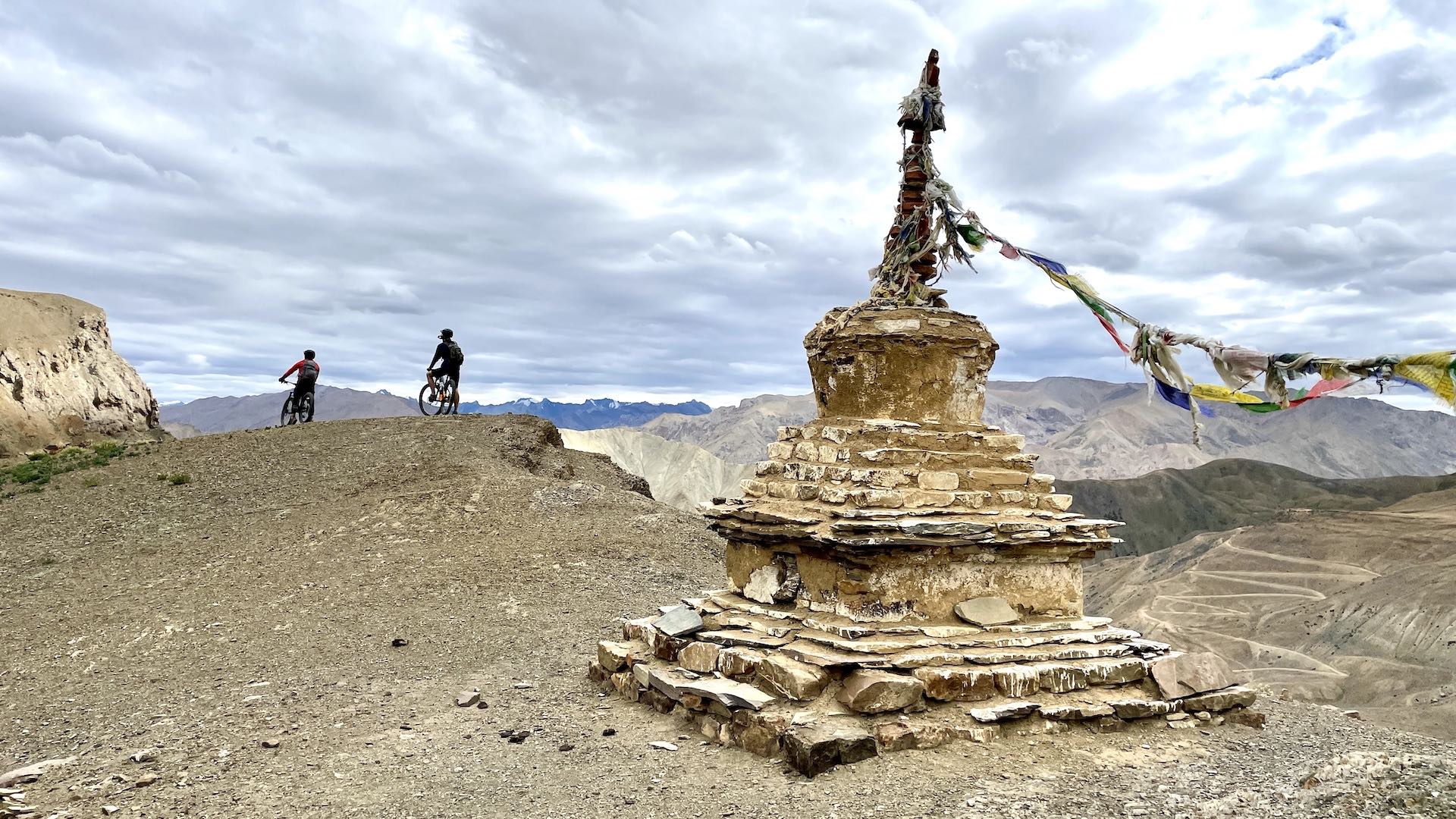
They call Ladakh "Little Tibet," and the name undersells it. Whitewashed monasteries on crags, chortens against 6,000-meter (19,700 ft) peaks, a high-altitude desert where Buddhist culture runs as deep as anywhere on the plateau — and all of it reachable on a standard Indian tourist visa, with none of the Tibet Travel Permit process that governs Lhasa and the surrounding Tibet Autonomous Region (TAR).
There is paperwork, though, and almost everything written about it online is wrong in the same two ways. Here's the 2026 picture in plain English, from a team that resides in this region.
First, the Name Everyone Gets Wrong
Ask three people in Leh what permit you need and you'll hear "inner line permit" from all three. That's the local shorthand for the whole system, and it's why so much of the internet gets this wrong.
Here's the actual position in 2026. Foreign nationals are issued a Protected Area Permit (PAP) — that's the term printed on the document you'll carry. Indian nationals are issued an Inner Line Permit (ILP) for the same restricted areas.
Two names, two documents, one system, split by passport. The distinction matters because most advice online quietly assumes an Indian reader, so a foreign traveler following it asks for the wrong paperwork and gets confused answers. Ask for a Protected Area Permit and everyone will know exactly what you mean.
Second, Hanle and Umling La Are Open Now
This is the bigger error, and it costs people trips. Search for whether foreigners can visit Hanle or Umling La and you will find page after page saying no — closed to foreign nationals regardless of permits. That was true. It isn't any more. Both are now open to foreigners holding the correct permit.
Almost nothing online has caught up, which means the highest-altitude corner of Ladakh — India's dark-sky reserve, and a pass near 5,800 m (19,000 ft) — is currently open and largely unvisited by foreign travelers who assume they're barred. If you were told no in the past, ask again.
Open is not the same as guaranteed. Umling La access has been tightened more than once after incidents on the border roads, and what the checkpoints allow can change from one day to the next. Ask us for the current position before you build an itinerary on it.
Where You Need No Permit At All
- Arriving at Leh airport. Nothing required. You land on your Indian visa and walk out.
- Leh town and the Indus Valley. Leh sits in the Indus Valley, and the monasteries closest to town — Thiksey and Hemis among them — are open to everyone, no permit. This is also where your acclimatization days go.
- The Sham Valley, days 1 and 2. No permit is required for the first two days of your visit. The authorities do ask that you apply for your permit once you arrive, and from day 3 onward you'll be asked to show it if you enter the Sham Valley. Practically: apply on arrival and stop thinking about it. Note that Alchi and Lamayuru are in the Sham Valley, not the open Indus Valley — free for your first two days, permit from day three.
- Leaving Ladakh overland to Himachal or Kashmir. No permit is required for travel out of Ladakh — driving the Manali road or heading west to Kashmir isn't an inner-line movement.
Where You Need a Permit
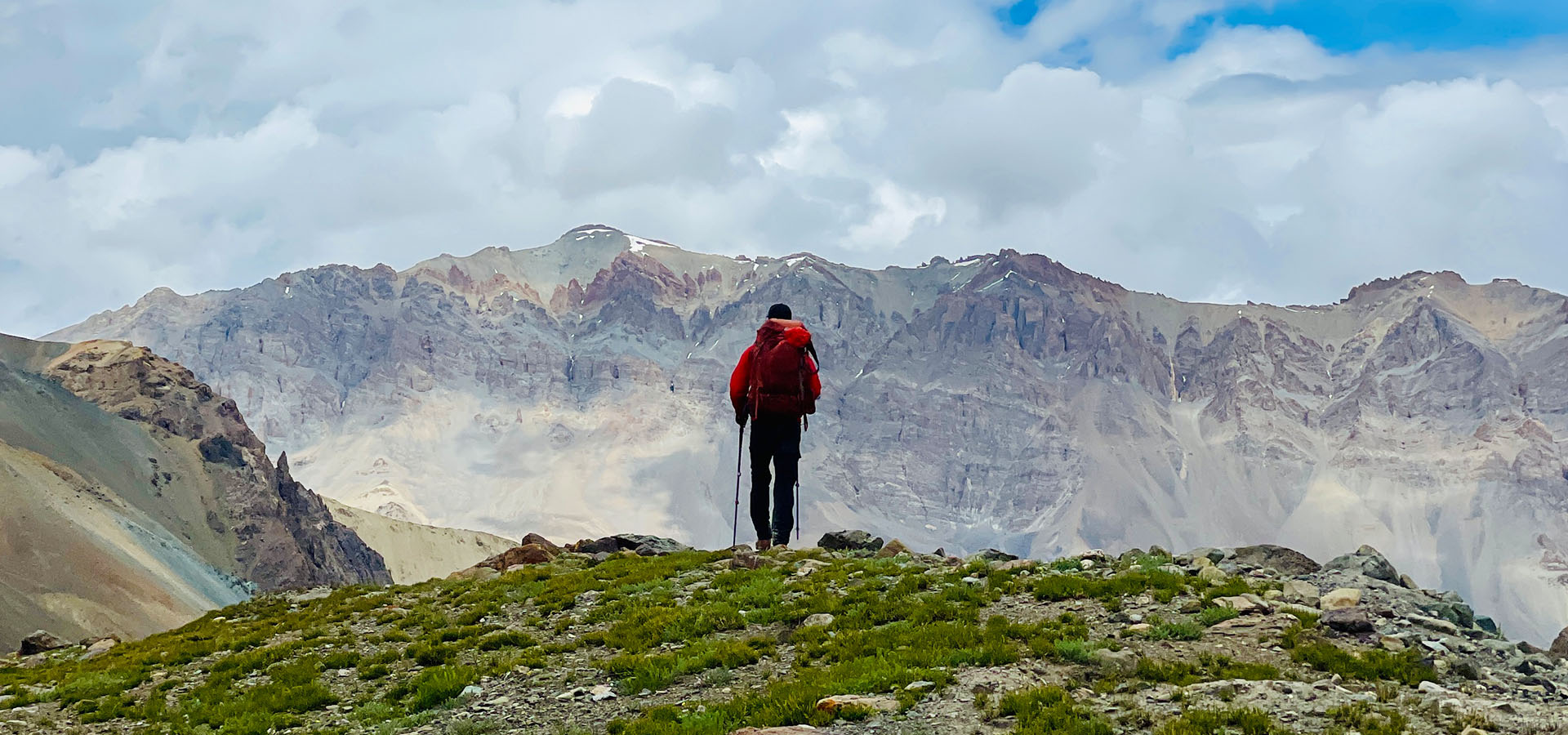
Technically, everywhere else in Ladakh. Nubra Valley over Khardung La, Turtuk, Pangong Tso, Tso Moriri, the Changthang plateau, and now Hanle and Umling La — all of it. The saving grace: it's a single document covering multiple areas, so this is one errand, not five.
Turtuk and the other villages close to the Chinese border sit under this same permit. Earlier versions of this guide treated Turtuk as a separate, pricier class of document; that is not the case.
How to apply — it depends on your passport and visa
| Who you are | Document | How you apply |
|---|---|---|
| Indian nationals | Inner Line Permit | Online. Straightforward — do it before you fly. |
| Foreigners on a tourist visa, or OCI holders | Protected Area Permit | Through a registered travel agent, after you arrive in Leh. Nothing to arrange in advance. |
| Foreigners on an employment or business visa | Protected Area Permit | Apply online through the e-FRRO portal a few weeks before your trip, then visit the police station in Leh on arrival to complete the paperwork. Processing can take a few days — leave time in Leh for it. |
| Foreigners on a diplomatic visa | Protected Area Permit | Apply directly with the Ministry of External Affairs in Delhi, at least one month before travelling to Ladakh. |
Most readers are on a tourist visa, and that route is genuinely easy: your operator handles it in Leh while you're acclimatizing. The two worth planning around are employment and business visas — travelers on those regularly arrive assuming they can do what tourists do, and lose days in Leh to it.
Once issued: carry several printed copies. Four is the safe number, because checkpoints collect them. An e-permit on a phone is not enough.
The one genuinely murky case: Pangong Tso's south bank. Everything else on this page we can state plainly. The south-bank corridor we can't — it's most likely permit-able, and we'd rather tell you we're checking than guess. If a south-bank route matters to you, ask and we'll confirm current status before you commit to an itinerary.
At a glance
| Where | What foreigners need in 2026 |
|---|---|
| Leh airport on arrival | Nothing |
| Leh town & the nearest Indus Valley monasteries | Nothing |
| Sham Valley incl. Alchi and Lamayuru, days 1–2 | Nothing (apply on arrival; show from day 3) |
| Sham Valley from day 3 | Protected Area Permit |
| Nubra Valley & Khardung La | Protected Area Permit |
| Turtuk | Protected Area Permit |
| Pangong Tso (Spangmik, north shore) | Protected Area Permit |
| Tso Moriri (Korzok) | Protected Area Permit |
| Hanle | Protected Area Permit — open to foreigners, previously closed |
| Umling La | Protected Area Permit — open, but access can be restricted at short notice |
| Mig La | Closed to tourists — email us for the current position |
| Pangong Tso south bank | Likely permitted — ask us to confirm |
| Exiting overland to Himachal or Kashmir | Nothing |
Indian nationals need an Inner Line Permit wherever this table says Protected Area Permit.
The honest caveat: these areas sit near sensitive borders, and access rules shift in both directions — Hanle and Umling La opening up is proof of that, and so is the permit terminology itself, which changed during 2026. What was closed last season may be open this one, and vice versa. One more reason current, on-the-ground information beats a two-year-old blog post. Note too that much of the online advice quietly assumes you're an Indian citizen, who travels under a lighter, fully online system. See our companion guide to Tibet without a permit.
Our Ladakh Short List
The Indus Valley Monasteries
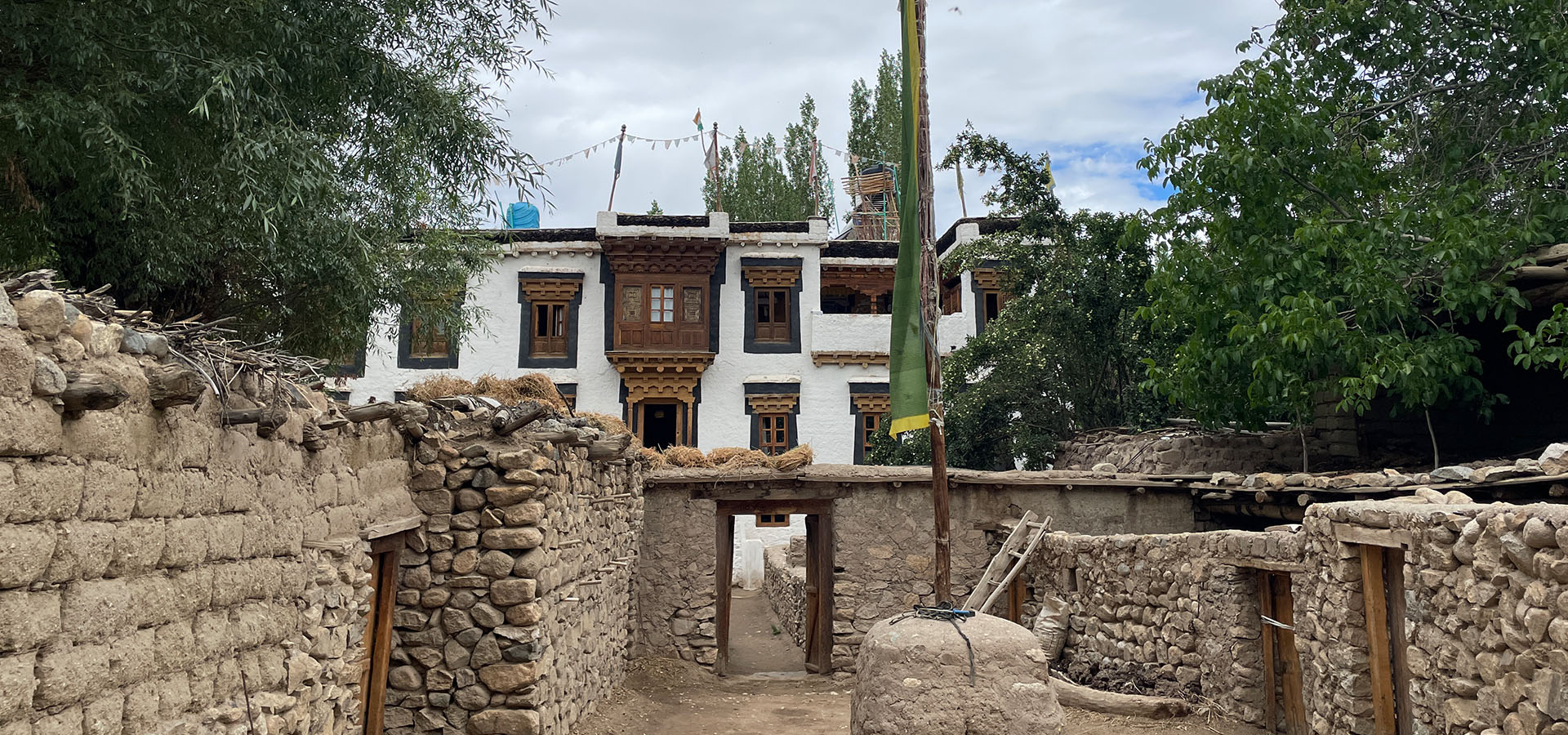
Thiksey at dawn (morning prayers with butter-lamp light), Hemis hidden in its gorge, Nimmu to restfully acclimatize. This is the cultural spine of Ladakh and needs no permit at all. But this is just where true adventure begins.
The Sham Valley — Alchi and Lamayuru
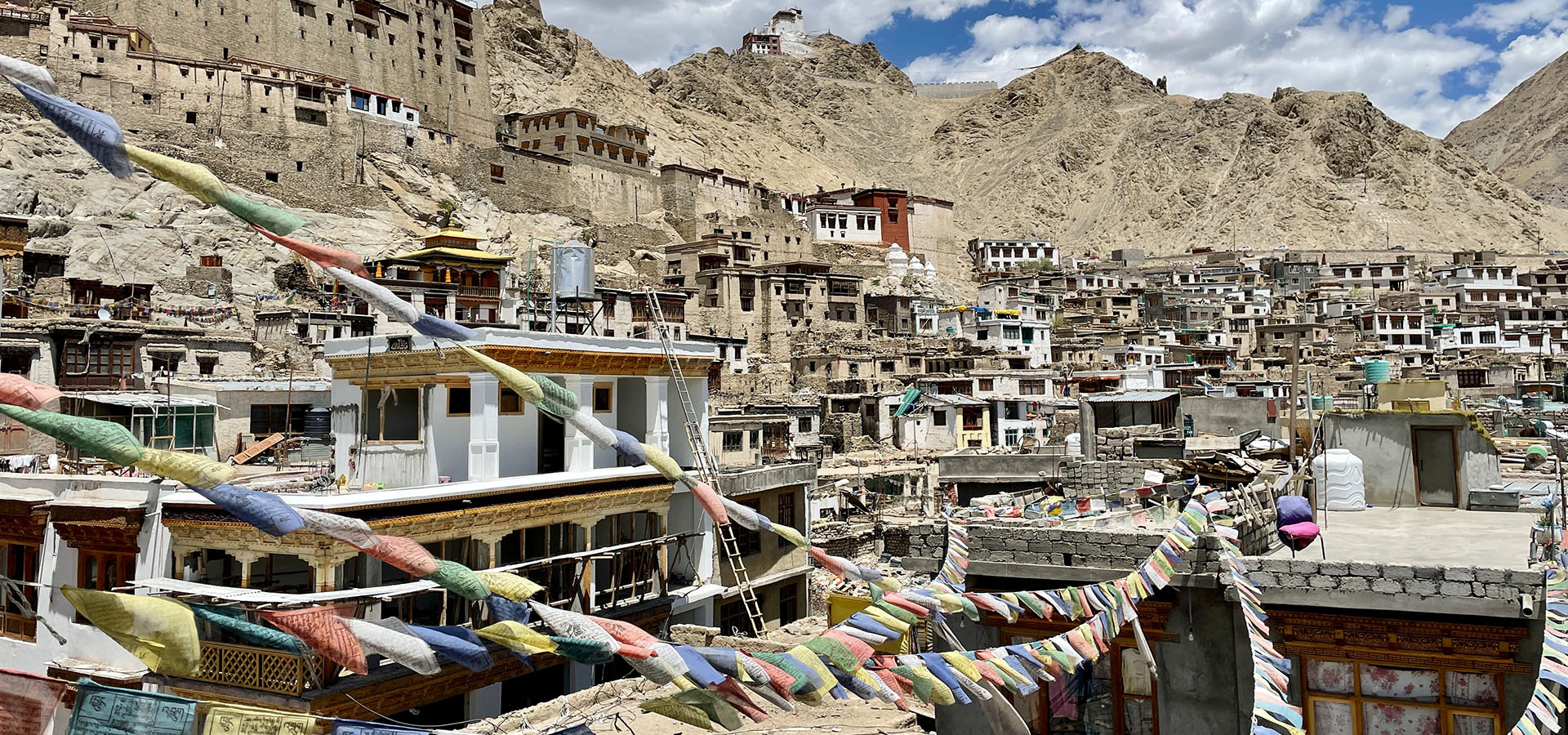
Alchi's thousand-year-old murals are among the finest surviving Indo-Tibetan painting anywhere, and Lamayuru sits above the eroded badlands people call the moonland. Free to visit in your first two days, permit needed from day three — worth planning deliberately rather than discovering at a checkpoint.
Zanskar Valley
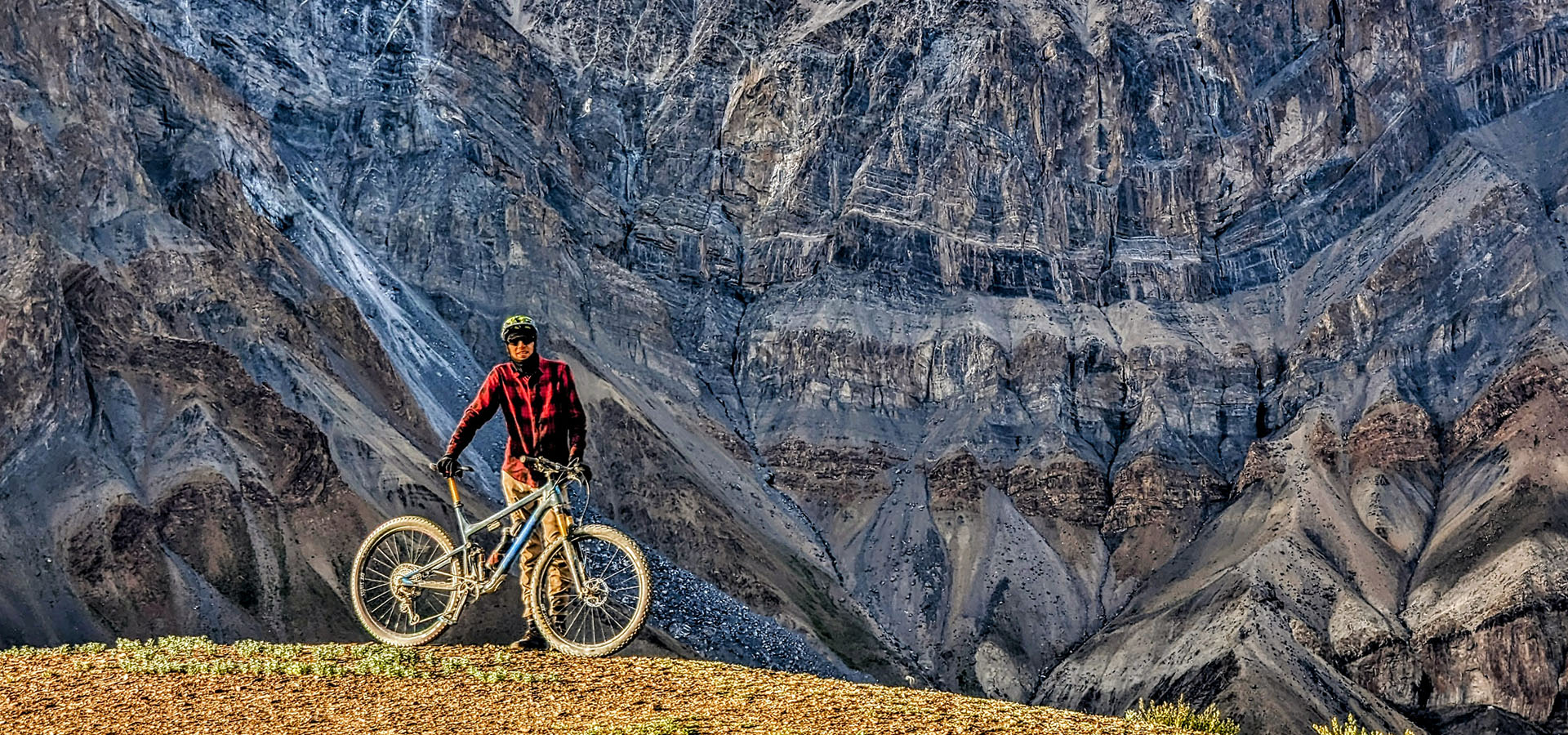
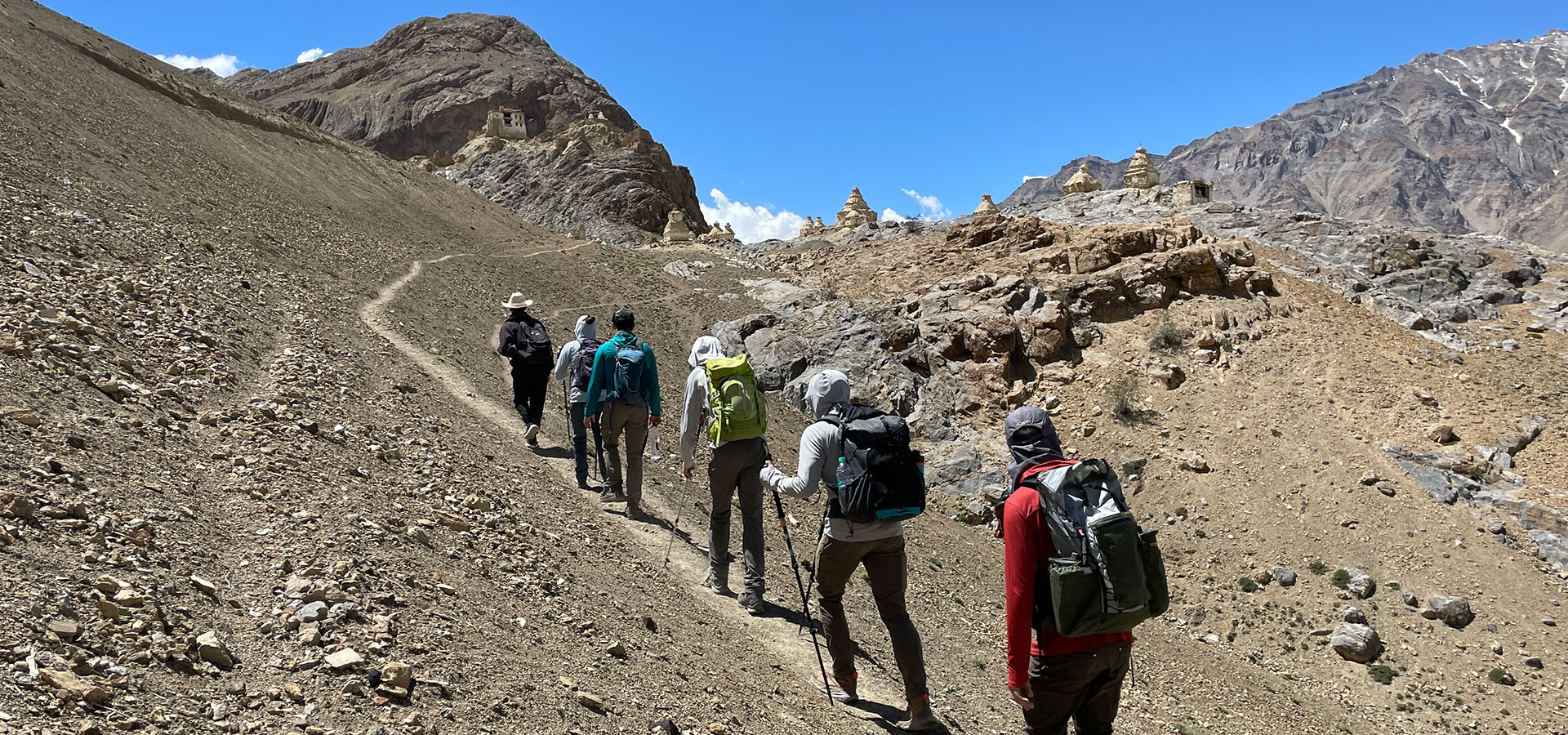
This is immersive authenticity. Zanskar has become more accessible over the past few years but it has not lost its hospitality or suffered from over-tourism. Spend your nights eating with local families. Climb to great heights while trekking. Mountain bike trails that have been designed by goats and yak. This is our home in Ladakh.
Tso Moriri
We recommend this lake over Pangong Lake, mainly because there are less crowds, if any at all. It is everything you want for a lake on the roof of the world.
Hanle & Umling La — the newly open corner
Roughly 275 km (171 miles) from Leh, Hanle sits under some of the darkest skies on earth and hosts India's astronomical observatory and dark-sky reserve. Astro-tourism here is in its infancy; for foreign travelers it has effectively just begun, because until recently we couldn't bring you.
From Hanle it's around 105 km (65 miles) to Umling La, the pass road running between Chisumle and Demchok at roughly 5,800 m (19,024 ft). It held the Guinness record as the world's highest motorable road from 2021 until October 2025, when the Border Roads Organisation beat its own record with Mig La at about 5,900 m (19,400 ft) — also in Ladakh. Umling La is no less extraordinary for having been demoted; it's simply the second-highest road on the planet now, and most guidebooks haven't noticed either fact. It is also the highest road you can actually drive, because Mig La is closed to tourists.
Access to Umling La can tighten without warning. It was open and busier than usual in September 2026, but restrictions have followed security incidents in the Chushul area, and the Demchok–Koyal–Dungti approach is refused to foreign travelers on some days and waved through on others. Plan on confirming locally in Hanle — with your hotel and, if needed, the police there — before committing to the drive, and ask us in advance so you are not finding out at the checkpoint.
Mig La is closed to tourists
In October 2025 the Border Roads Organisation completed Mig La at roughly 5,900 m (19,400 ft), taking the world's-highest-motorable-road record from Umling La. Predictably, people now want to drive it. At the moment, nobody can.
Mig La is not open to tourists. Our contacts in Ladakh report that it did not open to visitors at all during the 2026 season, with paving work the reason usually given. Some reports say it may open later in 2026. The information circulating online is contradictory, and a good deal of it is wishful.
It is also primarily an army logistics route, so whenever it does open, access is likely to depend on army clearance rather than a permit you can buy. Email us before you build a trip around it and we'll tell you where it stands for your dates.
When to Go
- June–September: the season. High passes open, treks running, lakes accessible. July–August is peak.
- May & October: shoulder — cold nights, thin crowds, superb light. Some passes are marginal.
- November–April: deep winter. Leh functions but most touring stops.
Altitude note: Leh sits at 3,500 m (11,550 ft) and most itineraries climb from there. Fly-in travelers need two easy acclimatization days minimum — we build them in, no exceptions. This matters doubly if Hanle and Umling La are on your route: you'd be going from 3,500 m to nearly 5,800 m (11,550 to 19,000 ft), and that is not a trip to rush. The happy accident is that those acclimatization days are exactly when your permit gets sorted, so the paperwork costs you no trip time at all.
Getting the Permit Right
For tourist-visa travelers the Protected Area Permit is close to a non-event when an operator handles it: passport and visa copies, photos, arranged in Leh during acclimatization. Where travelers actually get burned:
- Believing the internet about Hanle and Umling La. The most common mistake is now the opposite of what it used to be — people rule out the far southeast because an old page said foreigners are barred, and never ask.
- Assuming Alchi and Lamayuru need nothing. They're Sham Valley. Fine on days one and two, permit from day three, and plenty of itineraries put them later in the trip.
- Treating Mig La as bookable. It is closed to tourists and stayed closed through the 2026 season. Anything you read suggesting otherwise is worth checking with us first.
- Arriving on an employment or business visa without having filed on e-FRRO weeks earlier — that's days lost at a Leh police station.
- Assuming a phone screenshot is a permit. Checkpoints take paper copies. Carry four.
- Asking for an inner line permit as a foreigner. It's the local shorthand, but your document is a Protected Area Permit — ask for that and you'll get a straight answer.
FAQ
Do foreigners need a permit for Ladakh?
Is it a PAP or an Inner Line Permit?
Do I need a permit for Alchi and Lamayuru?
Can foreigners visit Hanle and Umling La?
Can I drive Mig La, the world's highest road?
How do I get the permit if I'm not on a tourist visa?
Do I need a permit to visit Turtuk?
Do I need a permit to leave Ladakh for Himachal or Kashmir?
Is Umling La still the world's highest motorable road?
How bad is the altitude?
Can I trek independently?
Last reviewed: 7 September 2026
Plan Your Trip
Ladakh gives you the Tibetan world with Indian paperwork — which, once you know which permit you're actually asking for, is manageable paperwork. Tell us your dates, your passport and visa type, and your fitness level, and we'll tell you honestly what's open, what needs a permit, and what we'd skip. If Umling La, Mig La, or the far southeast is on your list, we'll check the current access position on your behalf.
Bhutan travel cost 2026 · Nepal trekking permits 2026 · Tibet without a permit